 Source:unsplash
It is: What advantage will Meituan use to break into the U.S. restaurant tech market—product, algorithms, or decades of digitalization expertise?
01 Why Meituan Is Not Leading With Food Delivery in the U.S.
Meituan has tried international food delivery. Its brand Keeta has already tested the waters in several regions.

Source:Keeta
But competition overseas is far more complex.
Keeta faced immediate challenges in Brazil, including a lawsuit from 99Food, a subsidiary of DiDi. The company even presented an “exclusive partnership” contract that prohibited restaurants from working with Keeta.
Such tactics resemble early-stage competition in China’s food-delivery wars.
But subsidy battles and aggressive market penetration cost far more in unfamiliar markets.
Since winning the “last mile” is hard, Meituan chose a different point of entry: the restaurant’s first mile.
That is where Peppr comes in.
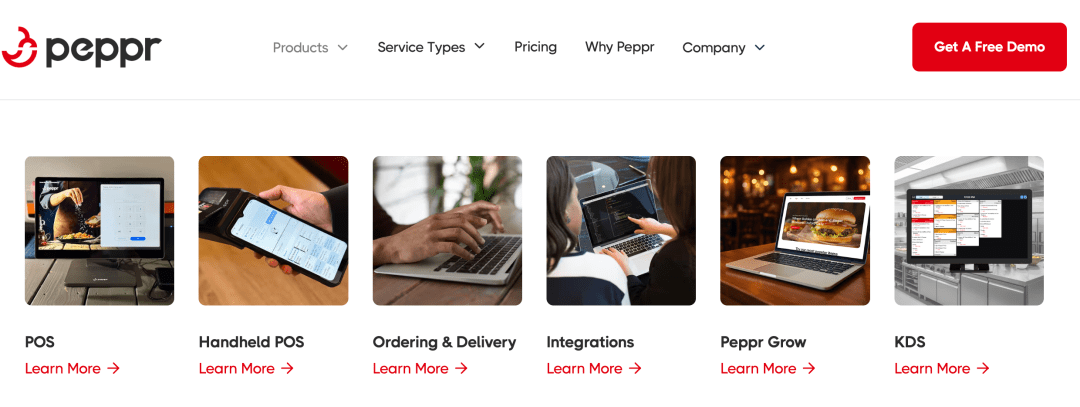
Peppr offers a full suite of restaurant tools:
-
POS
-
Handheld POS
-
KDS
-
Ordering & Delivery
-
Integrations
-
Peppr Grow
Source:Peppr
The Chinese market has brought Meituan two irreplaceable assets:
- Engineering mastery of high-volume restaurant operations
China’s extreme peak-order environments shaped Meituan’s ability to deliver stability.
- Merchant behavior data at unprecedented scale
Meituan has served over 15 million merchants.
Its system integrates ordering, payments, inventory, delivery, marketing, and supply chain into one process.
Even the smallest street vendors can operate digitally with minimal friction.
This makes B2B a natural extension of Meituan’s existing strengths.
02 What Kind of Market Is Peppr Entering?
The U.S. has produced the world’s most iconic restaurant chains.
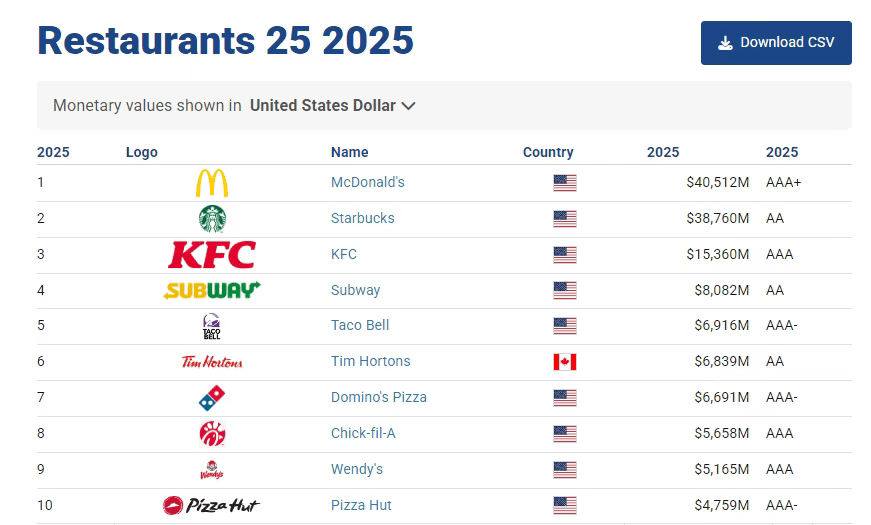
According to Brand Finance's "2025 Global Restaurant Brand Value Ranking," nine of the world's top ten restaurant brands are from the United States. Similarly, according to Narrow Door Restaurant Eye's statistics on the top ten global chain stores in 2024, American brands also occupied seven spots.
Source:Brand Finance
McDonald's, Starbucks, KFC, and Subway are all models of global chain operations.
But the real backbone of the market is mom-and-pop, which represent over 70% of all establishments.
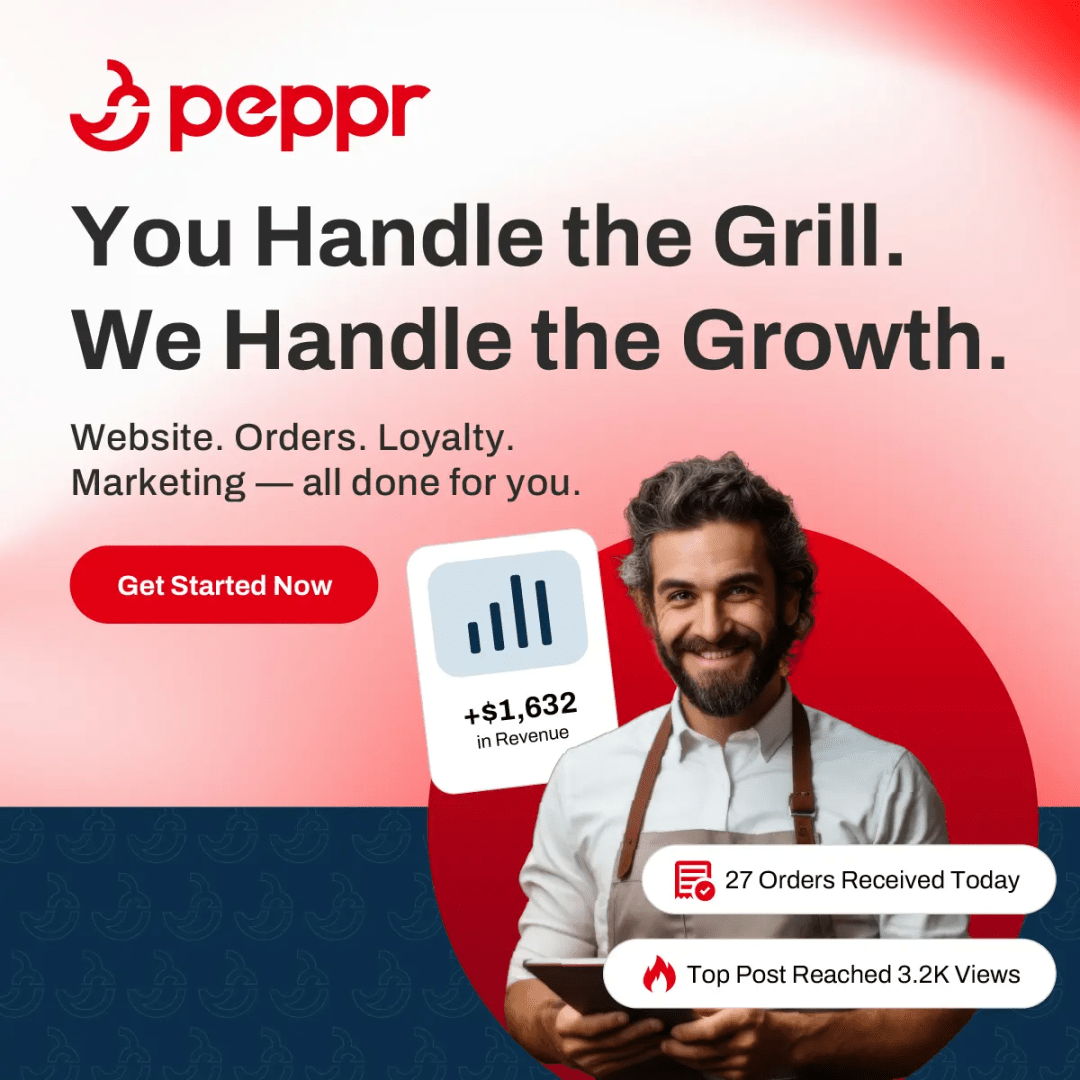
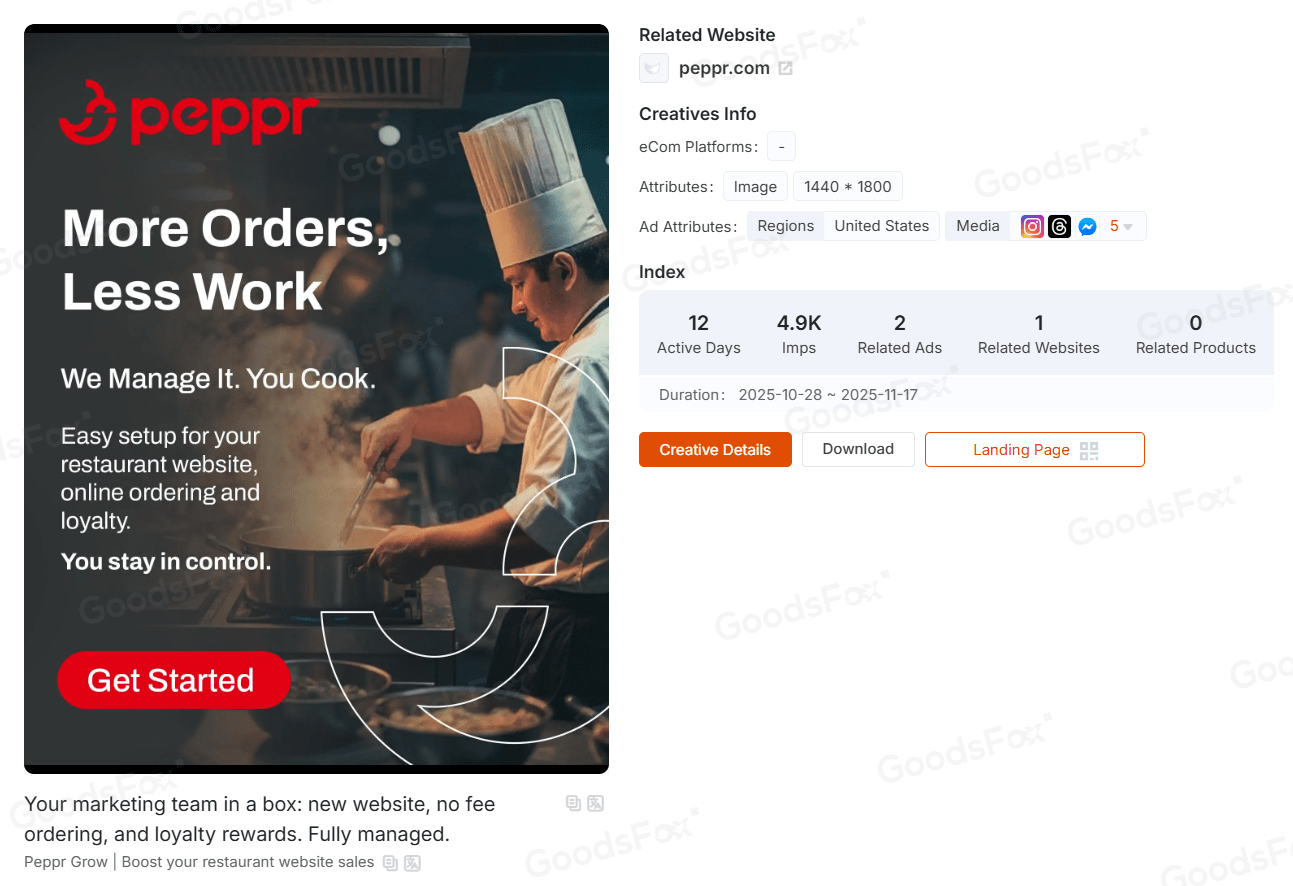
Peppr’s ads speak directly to them with simple, emotional messages:
"You Handle the Grill. We Handle the Growth."
"We Manage it. You Cook."
Active Days: 2 weeks+,Imps: 5.2k+
Source:GoodsFox
Source:GoodsFox
Isn't this exactly the beautiful vision of "hosts"? "Hosts" are ridiculed across the Chinese internet precisely because they love cooking and creativity, but "don't know how to do business."
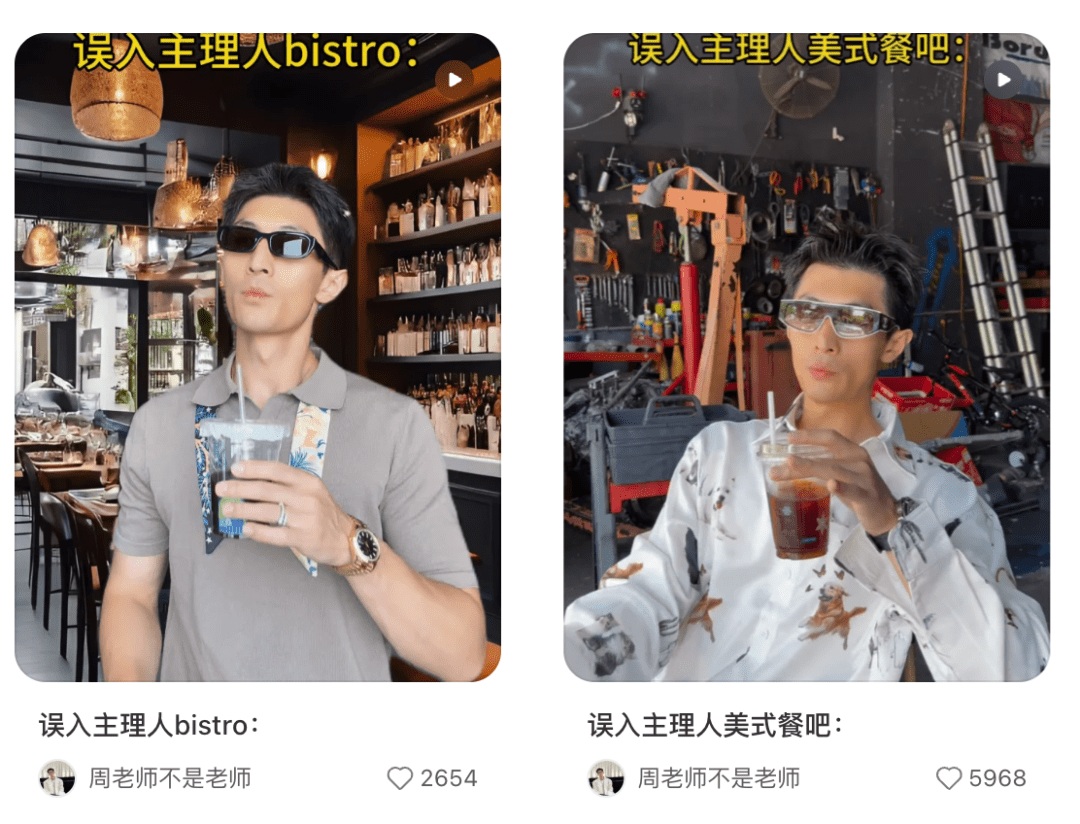
Source:Rednote @周老师不是老师
So close to the dream, so far from the consumer.
Well, that's it, Peppr: You continue to immerse yourself in your cuisine and ideals, I'll do the business for you.
This is also a familiar battlefield for Meituan: the greatest value of digitalizing China's catering industry lies in the scattered small and medium-sized merchants. Meituan's ten years of experience has been dedicated to digitizing this fragmented market.
The timing is also right.
Although 87% of U.S. restaurants use POS systems, most rely on outdated tools from a previous generation. Modern cloud-based systems with real-time analytics, inventory sync, and integrated delivery workflows remain under 10% of the market.
Local POS providers—such as Clover, Lightspeed, and Square—also face challenges:
-
Fragmented tools
-
Slow updates
-
Complex pricing
-
Weak customer support
-
Poor ecosystem integration
Many restaurants rely on multiple vendors just to maintain their operations.
Peppr aims to fill this gap.
03 Beyond the Product: The Localization Challenge
Winning in B2B depends on choosing the right customer segment and supporting them across their lifecycle.
In China, Meituan digitized millions of restaurants from the ground up.
Customers could complete nearly every operational task—from ordering to payments to delivery—inside the Meituan ecosystem.
But the U.S. market is different.
Most restaurants have long histories and use a mix of software from various vendors.
Peppr must understand local rhythms, workflows, and cultural preferences.

Source:pexels
To adapt, Peppr uses a modular and ecosystem-friendly strategy:
-
Merchants can adopt single modules.
-
Tools are compatible with third-party partners.
-
Peppr can integrate gradually into existing restaurant stacks.
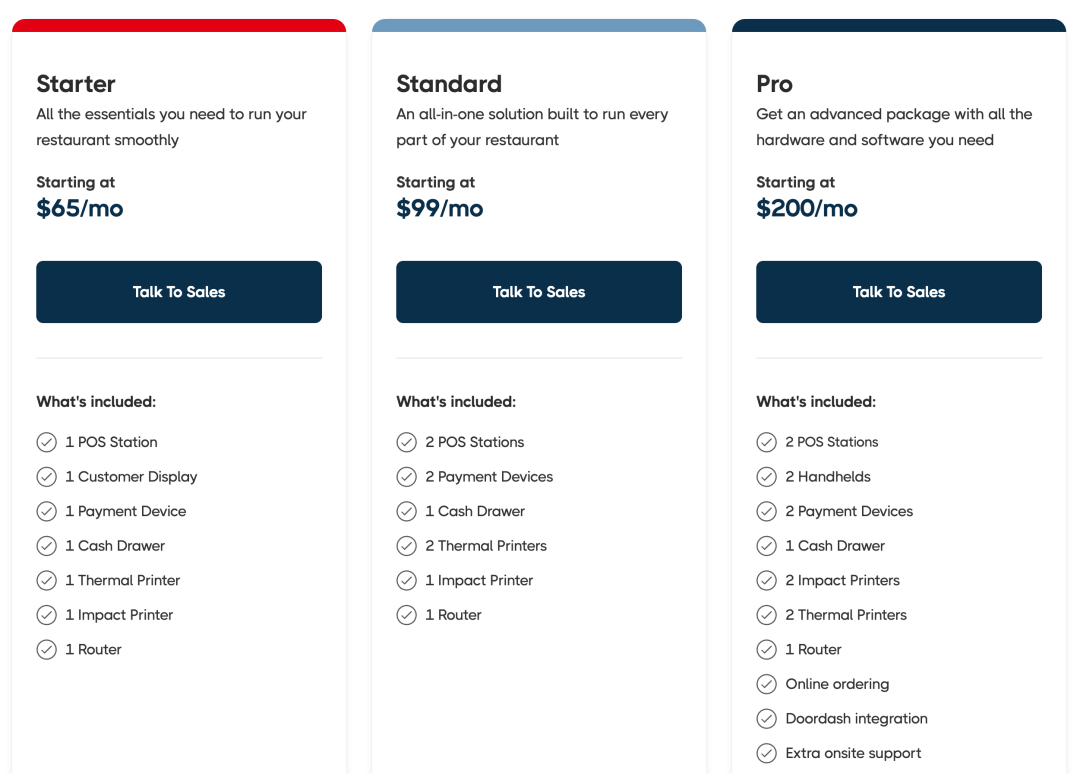
Source:Peppr
However, the U.S. restaurant model has its own complexities.
- High reliance on part-time staff
Shift flexibility and high turnover require more advanced scheduling tools.
-
Tipping culture
Local POS systems already support tip distribution and bill splitting.
Peppr must localize around these expectations.
There is also a cultural nuance.
Peppr’s messaging—“a tool that works as hard as you do”—reflects an Asia-Pacific work ethic built on effort and endurance.
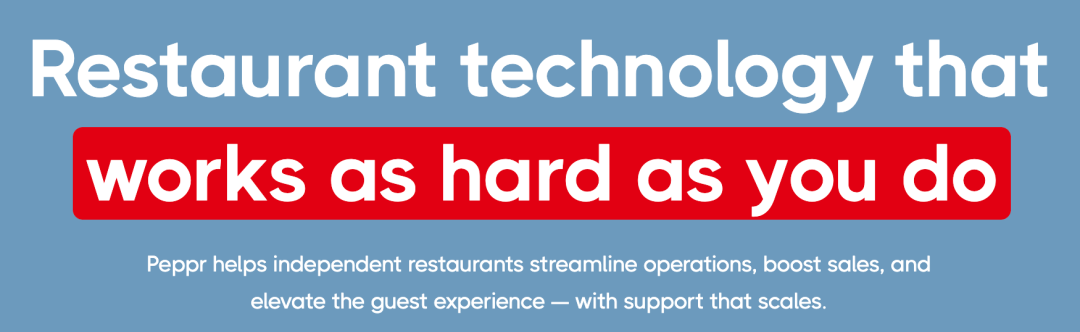
Source:Peppr
But U.S. restaurant SaaS providers communicate differently:
Build and grow on your terms.
Powering the places people love.
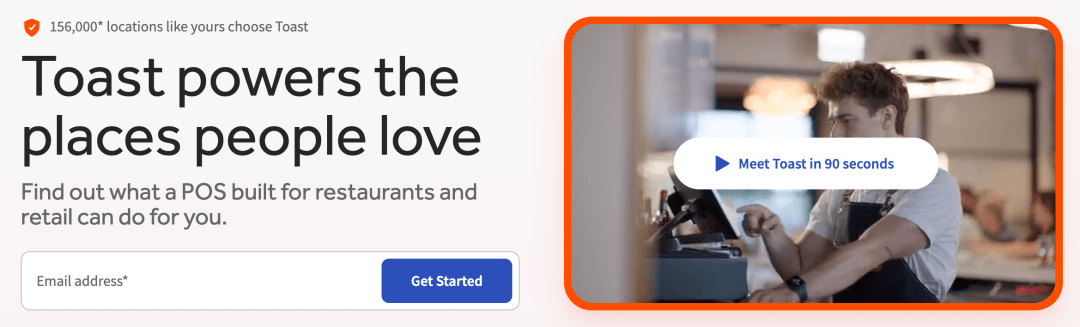
Source:Toast

Source:Square
The tone emphasizes empowerment and freedom—not endurance.
To scale globally, Meituan must translate not only its product but also its values.
This is a challenge shared by all Chinese companies going global.
