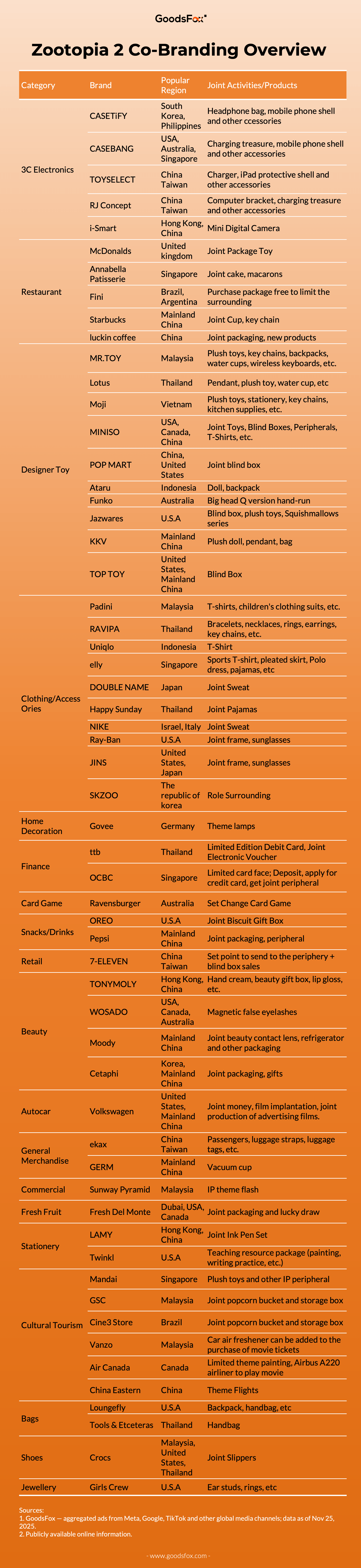
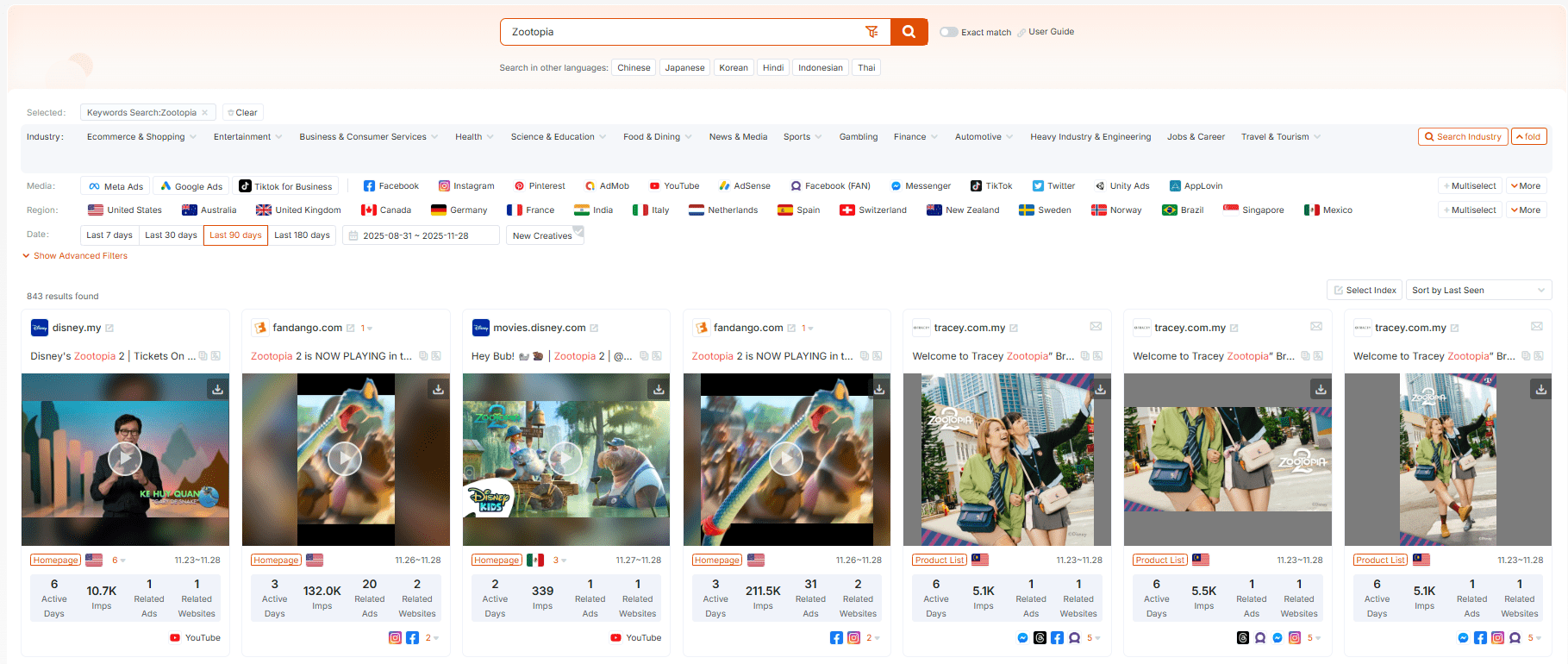
 Source:GoodsFoxDozens of brands have launched partnerships even before the movie’s release.Why can Zootopia break cultural boundaries, appeal to different industries, and become one of the most “universal” IPs in global marketing?
01 A Modern Fable with Universal Resonance
If Disney princesses sell fairytales and Marvel sells heroism, Zootopia sells something else: a mirror of modern society.
Based on our analysis of collaborations, this IP boasts a wide range of partner brands and demonstrates remarkable inclusivity.
The brands joining the collaboration span a wide spectrum. From Volkswagen to CASETiFY, POP MART, MINISO, and even financial institutions like OCBC and ttb Bank.
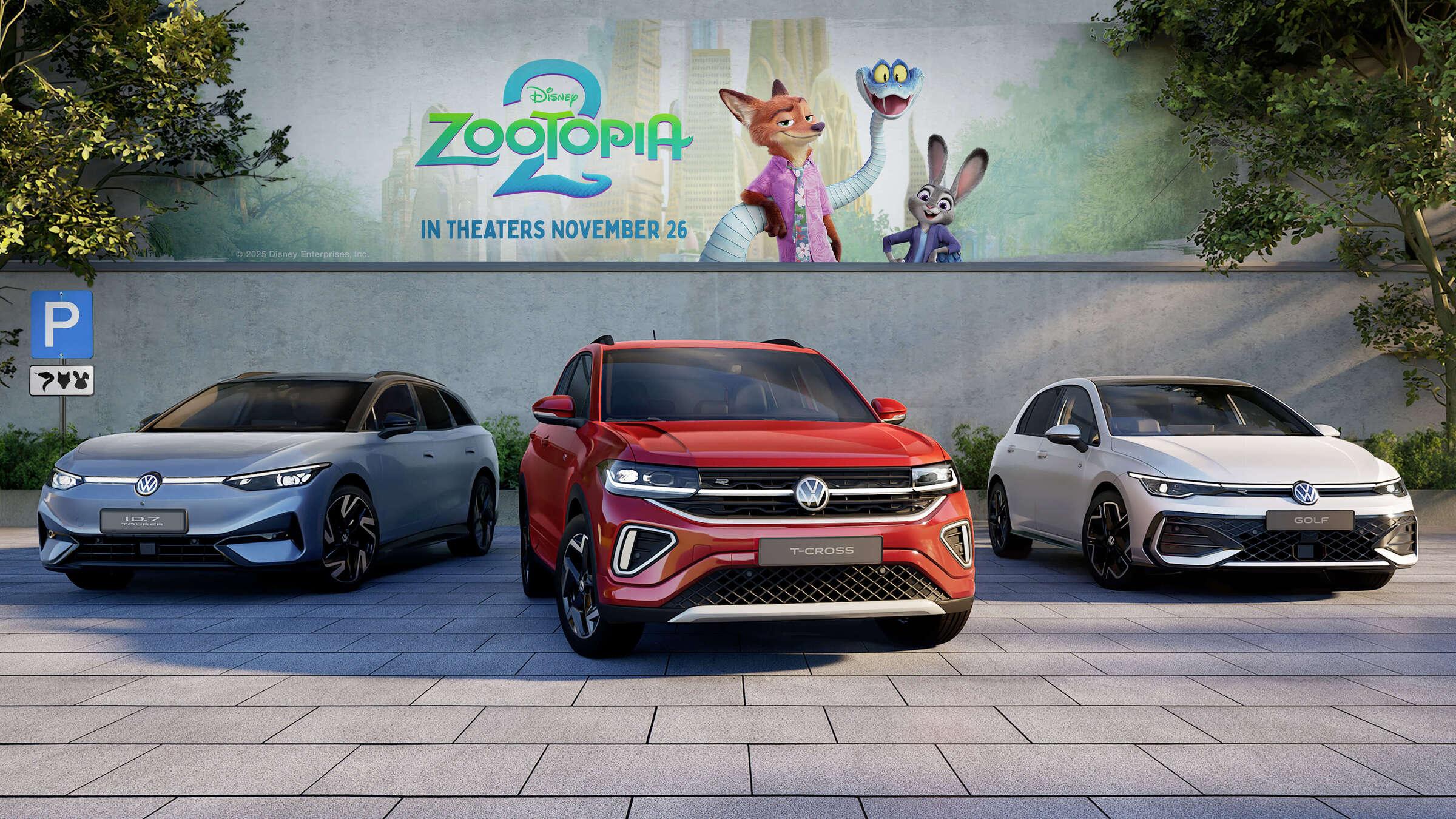
Source:Volkswagen
Behind this vast expanse lies a depoliticized utopian world.
The word “Zootopia” merges Zoo (wildness) and Utopia (ideal society). It balances raw energy with order.
It creates a depoliticized, emotionally safe storytelling space for global audiences.
In this world, there are jobs, ambition, and urban life—yet no explicit political stance, racial tension, or cultural conflict. Even social friction becomes a soft metaphor for “species differences,” which everyone can understand.
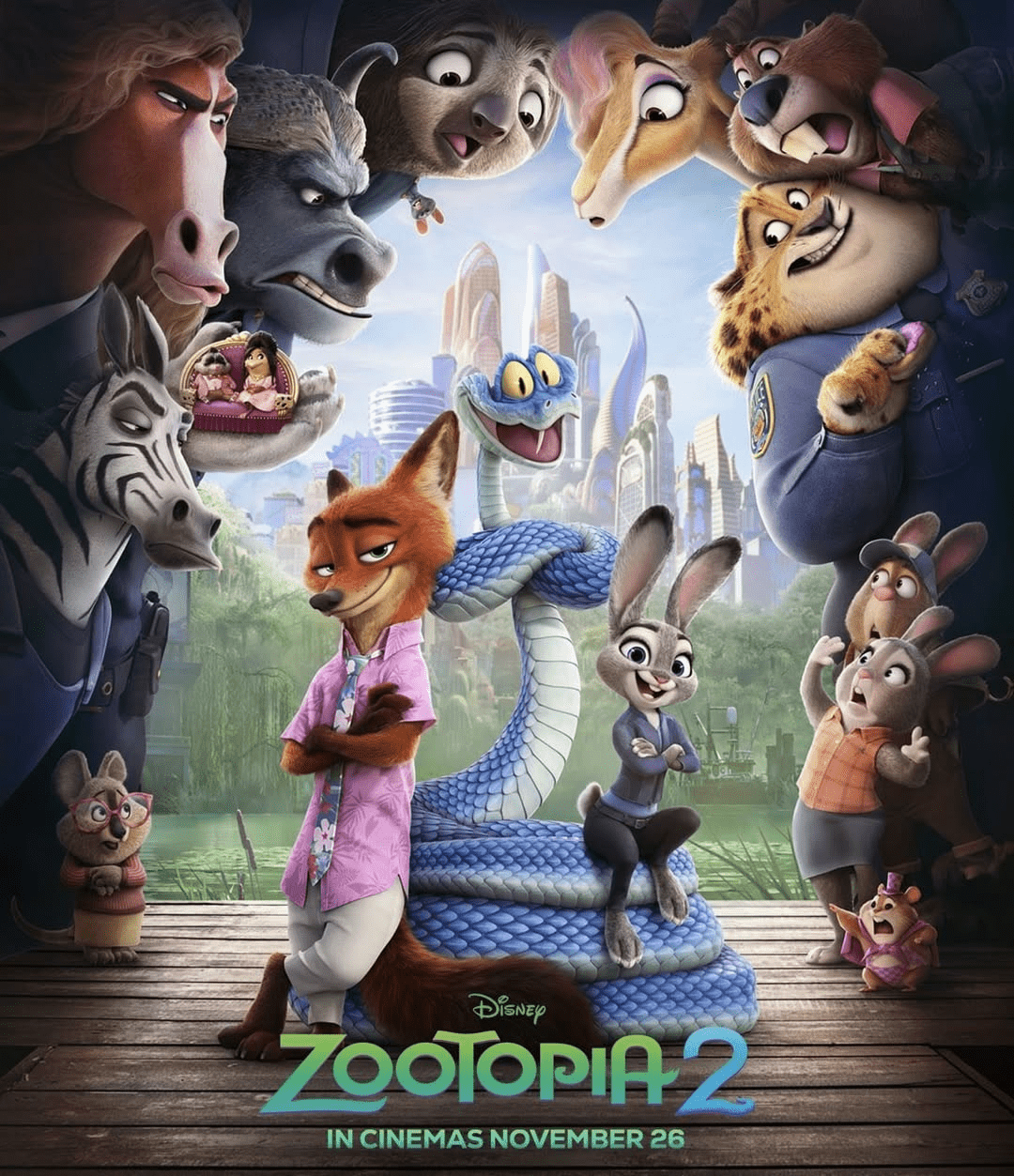
Source:Disney
For brands, this makes the IP highly adaptable:
-
It works for kids.
-
It works for young adults.
-
It works across cultural contexts.
-
It gives marketers more creative freedom without the risk of polarization.
This is why Zootopia functions as a cross-industry cultural language—a rare asset in today’s fragmented markets.
02 The Rise of Full-Spectrum IP Integration
What are the forms of IP collaboration?
IP collaborations used to be simple: print a character on a T-shirt, notebook, or packaging.
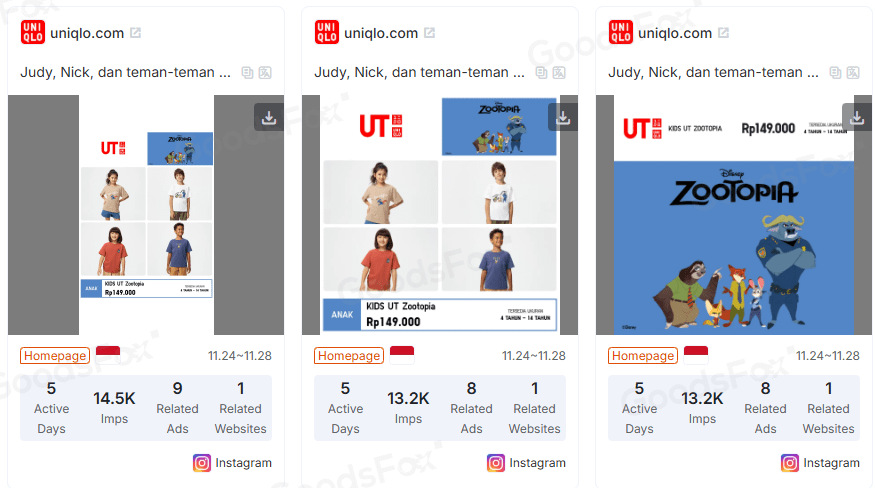
Uniqlo‘s creatives,Source:GoodsFox
Fast, scalable, visual, and low-cost.
But competition pushed brands to evolve.
From “printed graphics” to “story-driven campaigns”
Luckin Coffee did this well. When promoting its strawberry series, it didn’t just borrow character visuals. It built a themed storyline called “Crazy Coffee Shop,” aligning the brand’s mascot with the film’s style. The narrative boosted immersion and emotional engagement.
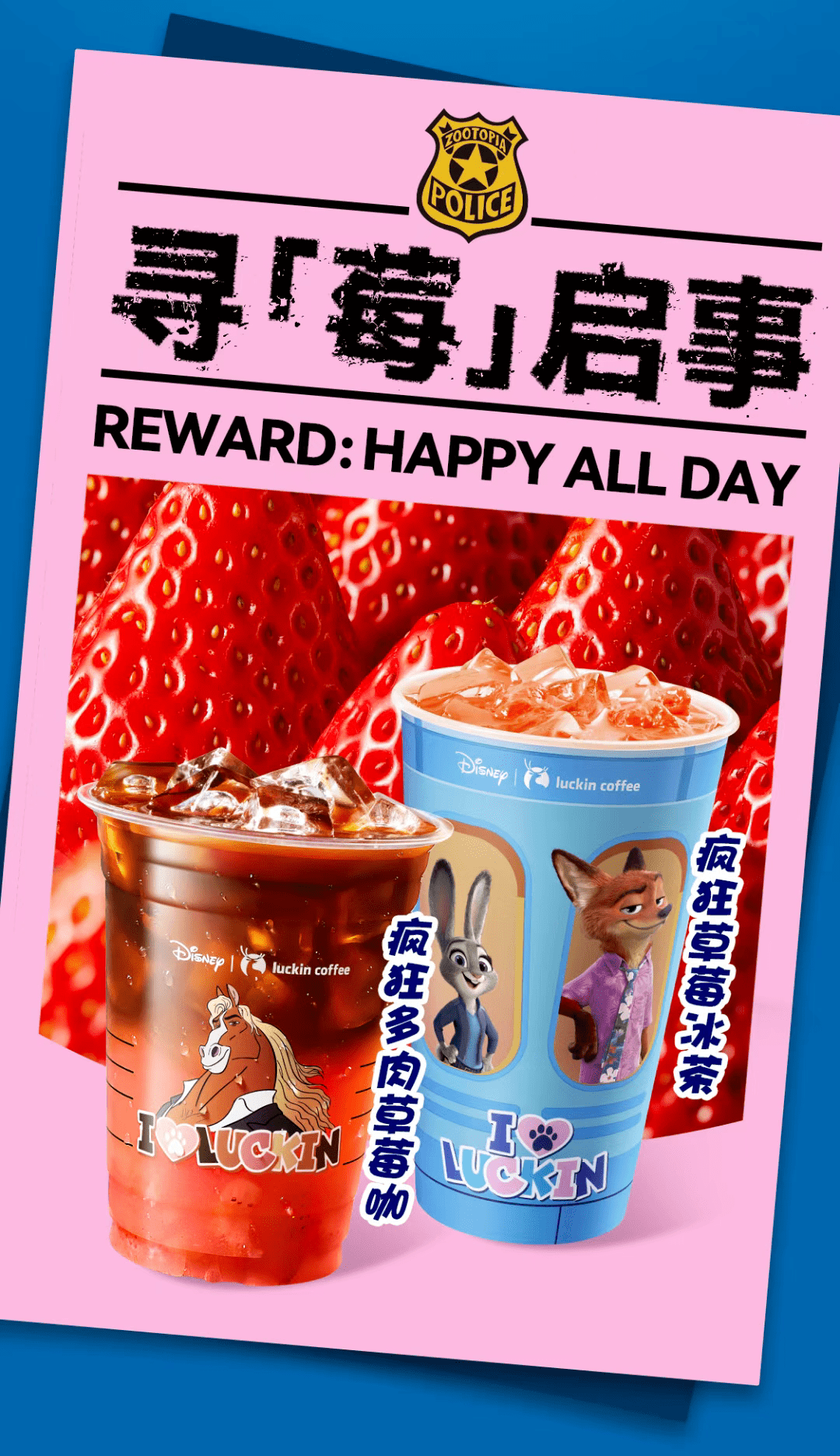
Source:Luckin Coffee
At this stage, IP becomes a marketing framework, not just decoration.
From storytelling to immersive brand experiences
Air Canada pushed it further by launching Zootopia-themed aircraft, complete with onboard screenings.
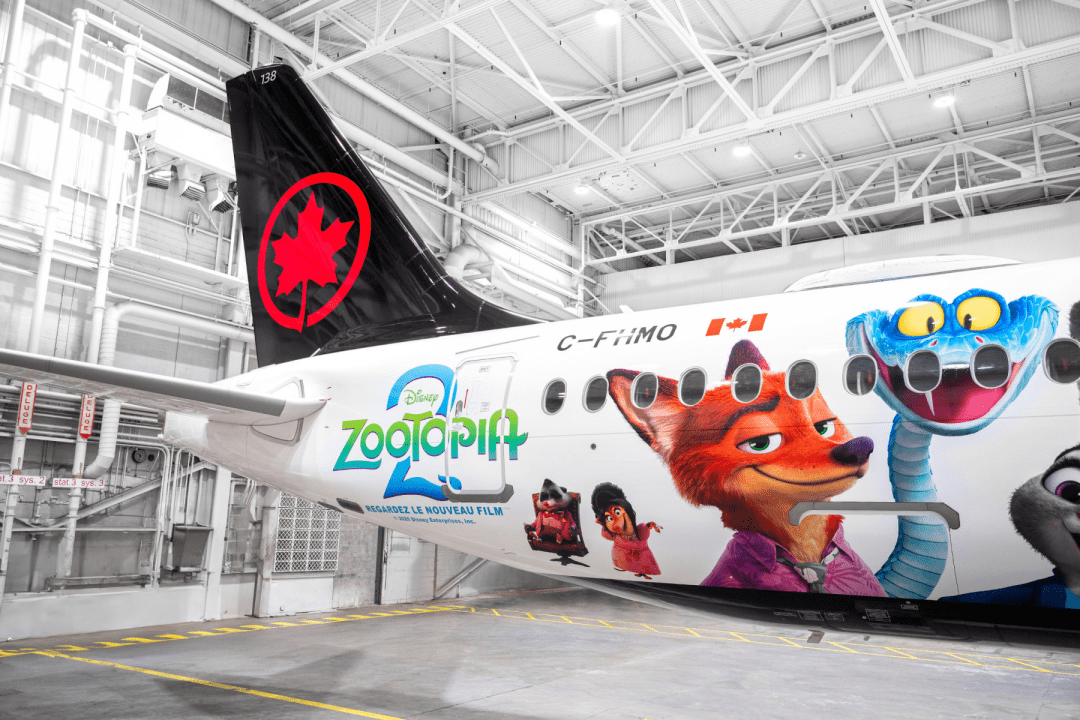
Source:AIR CANADA
Shopping malls followed with themed pop-ups. Travel and real estate brands built experiential zones.
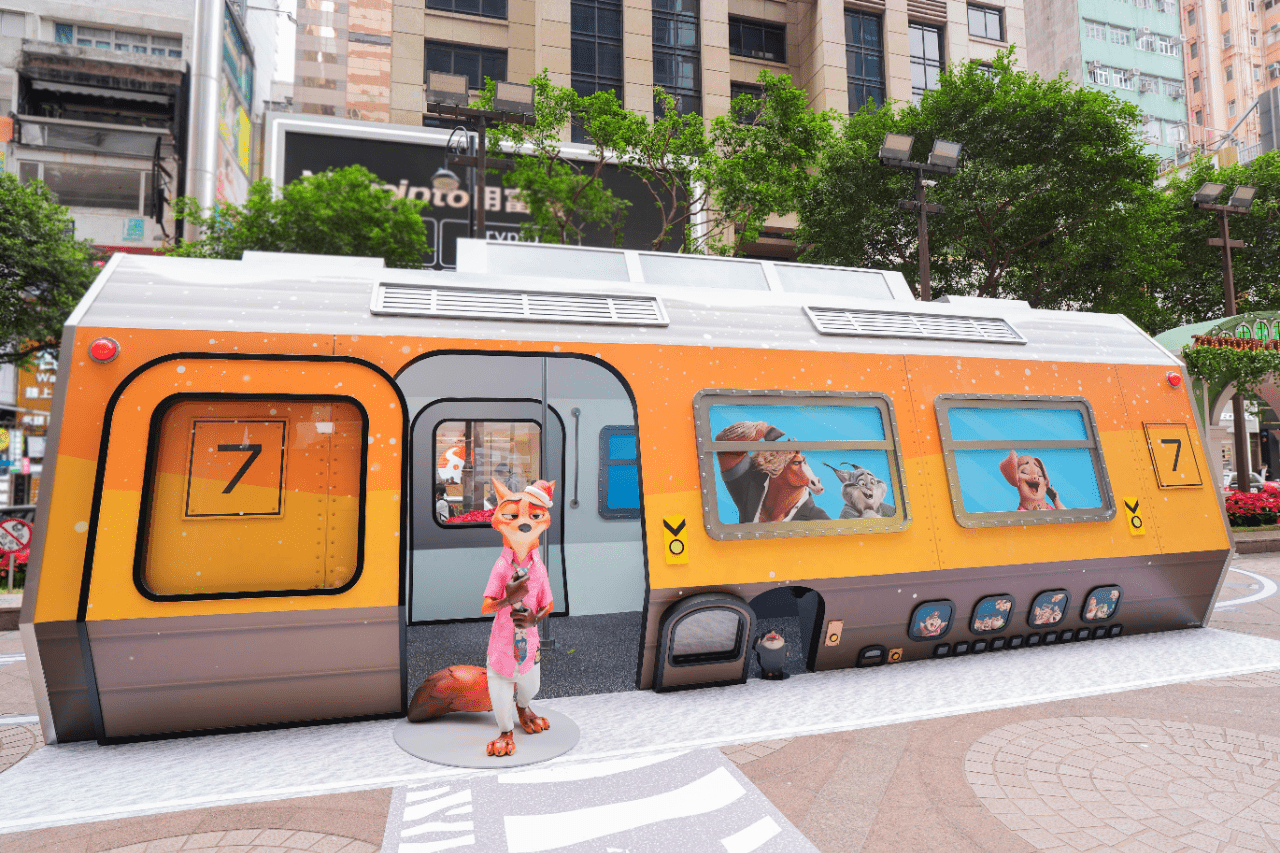
Source:Hong Kong Times Square
IP now acts as a shared experience layer connecting brands and consumers.
Even rational industries are adopting IP
Banks like OCBC and ttb launched Zootopia debit cards. Cute characters reduce psychological distance and add emotional appeal to otherwise “cold” financial products.
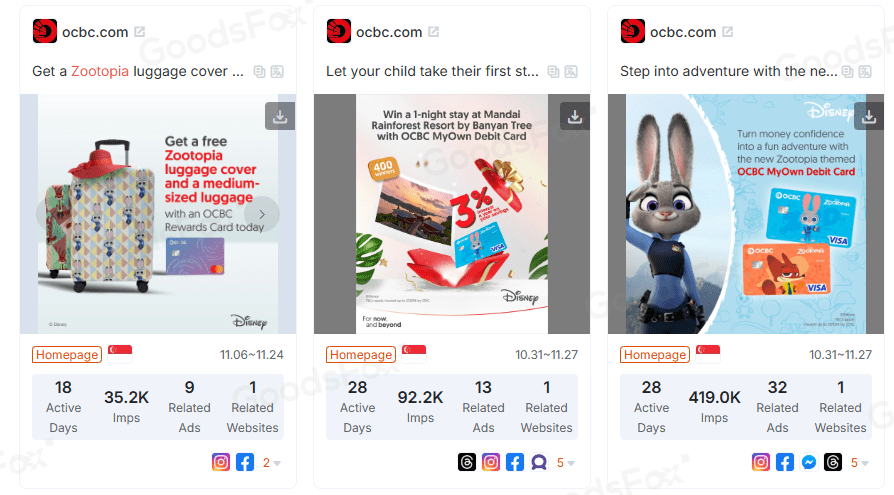
ocbc's creatives,Source:GoodsFox
IP is no longer about selling products. It’s about claiming attention, building margins, and elevating brand warmth.
03 IP Partnerships as a Shortcut to Global Expansion
Entering a new market is hard. Consumers may not know your brand—
but they do know Zootopia.
This gives brands an instant trust bridge.
POP MART and MINISO have used Disney collaborations repeatedly to accelerate global expansion. With Zootopia 2, MINISO again became a global spotlight.
Inside GoodsFox, we see MINISO launching themed pop-ups across multiple markets, combined with aggressive ad campaigns.
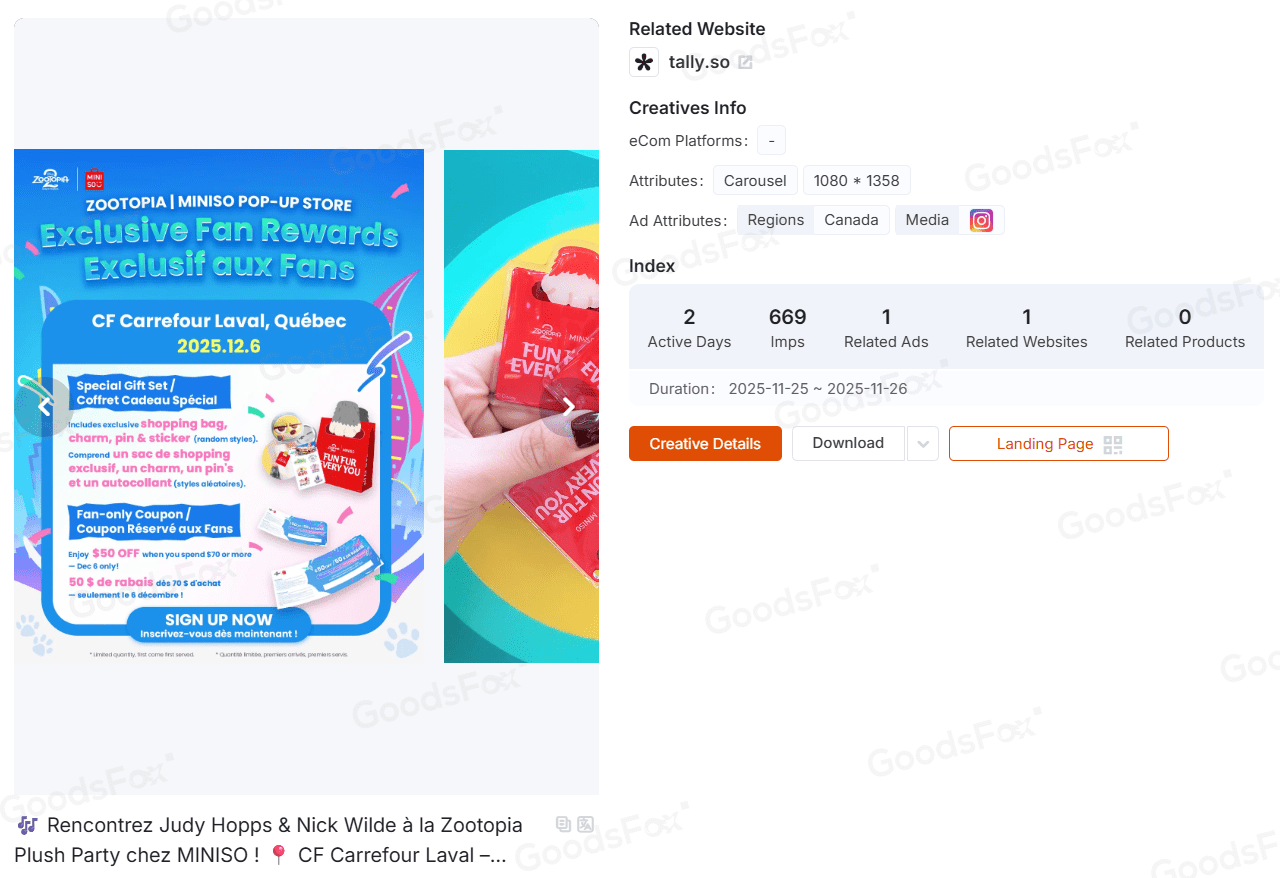
Even Paris Hilton was spotted shopping at a MINISO store in the US.

Source:Rednote
Prior to this, Miniso and Pop Mart had collaborated with Disney multiple times, repeatedly achieving great success in their overseas expansion thanks to this "global passport".
It is evident that IP plays the role of "translator" and "trust endorser" between brands and unfamiliar markets.
For international brands like Crocs and Loungefly, Zootopia offers an entry point that aligns well with Asian aesthetics—cute, emotional, soft-coded visual appeal.
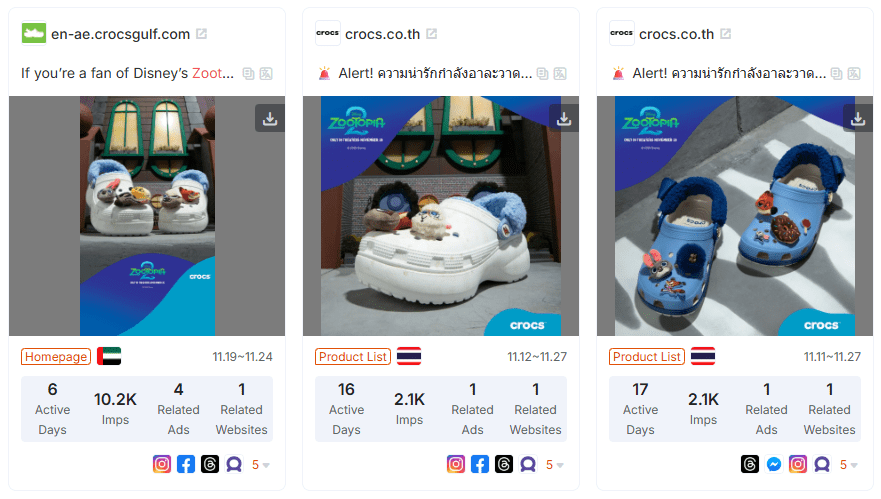
Source:GoodsFox
This is “borrowed traffic” at its highest level—
turning paid exposure into content people voluntarily engage with.
In an era of rising acquisition costs, IP-driven content becomes the foundation of sustainable growth.